GDPR Compliance

We use cookies to ensure you get the best experience on our website. By continuing to use our site, you accept our use of cookies, privacy policy and terms of service.


What Does a Modern Fleet Management System Actually Need to Do in 2026?

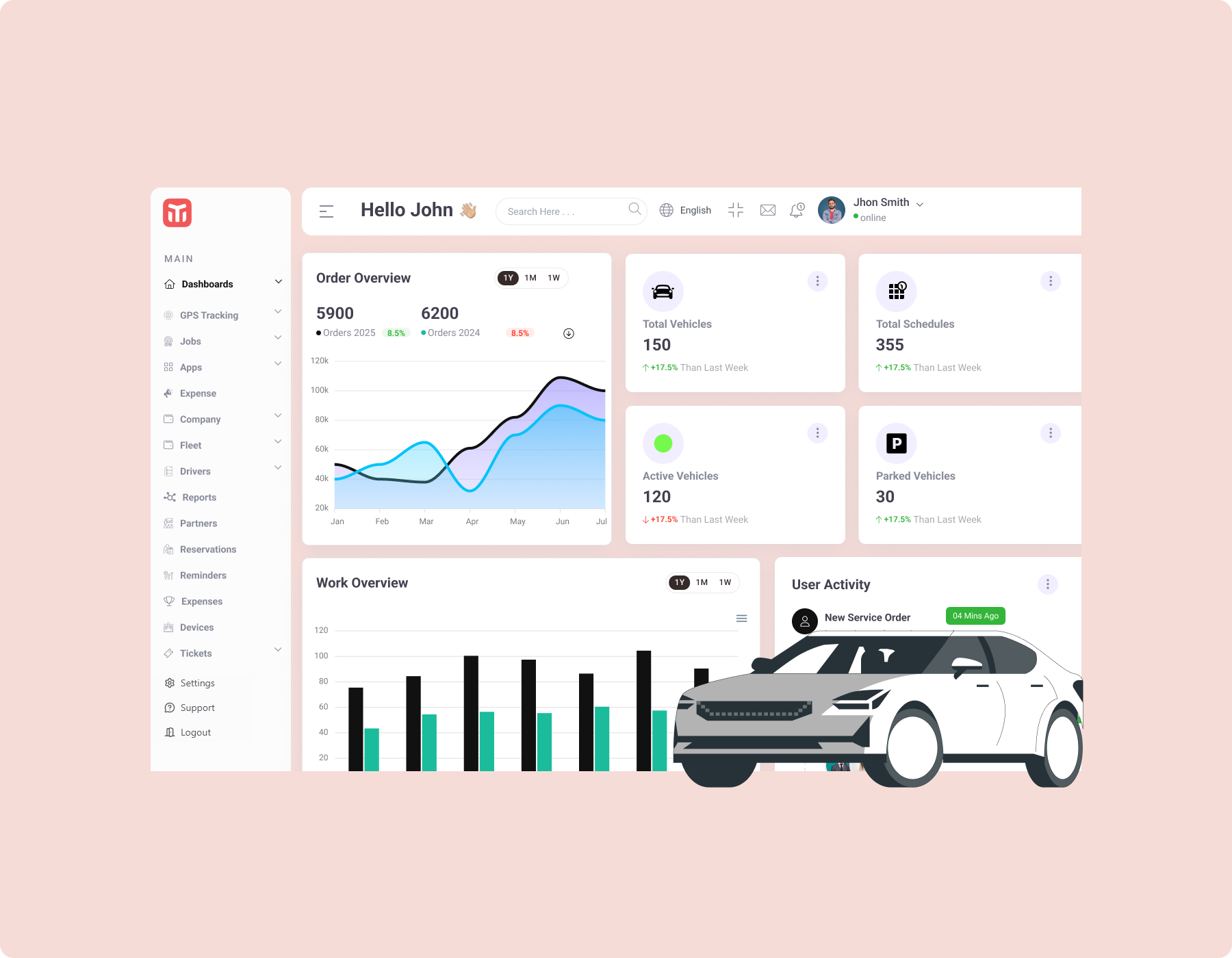
If you're running more than a handful of vehicles, a logistics company, a utility fleet, a construction crew, or a rental operator managing dozens of cars, spreadsheets and phone calls stop scaling fast. A fleet management system exists to solve one problem: give you visibility and control over vehicles, drivers, and costs from a single screen, instead of five disconnected tools.

Here's what actually matters when you're evaluating fleet management software, and how it plays out in a real platform like Auttom.

Fleet Manangement System
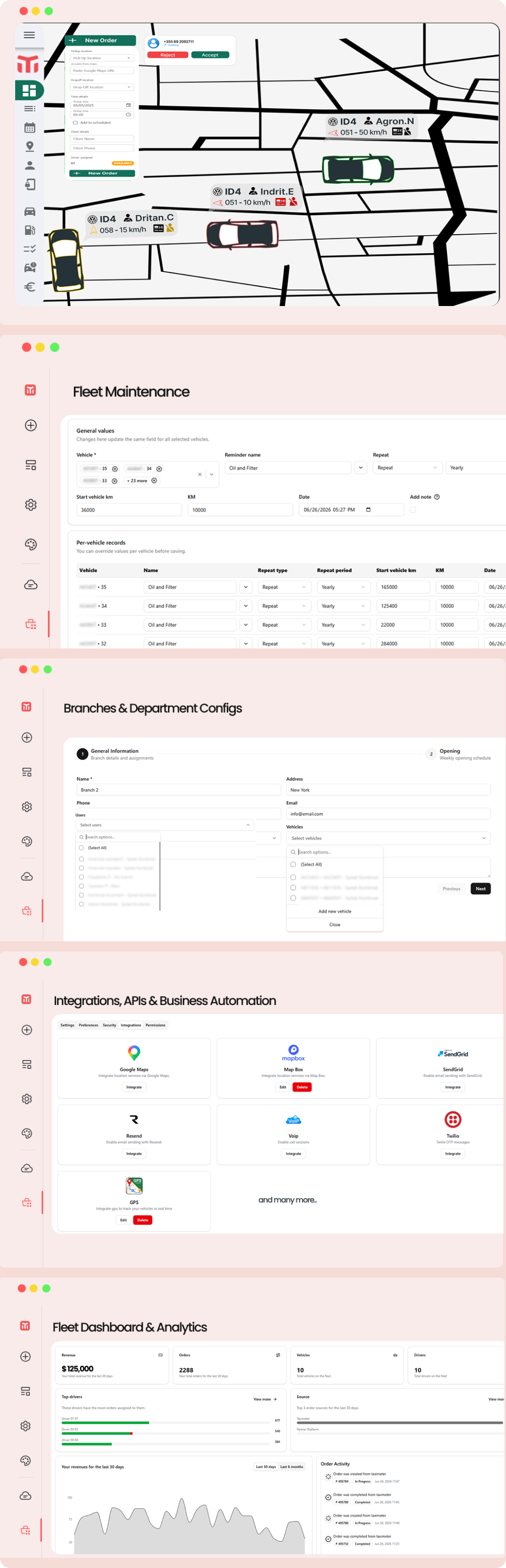
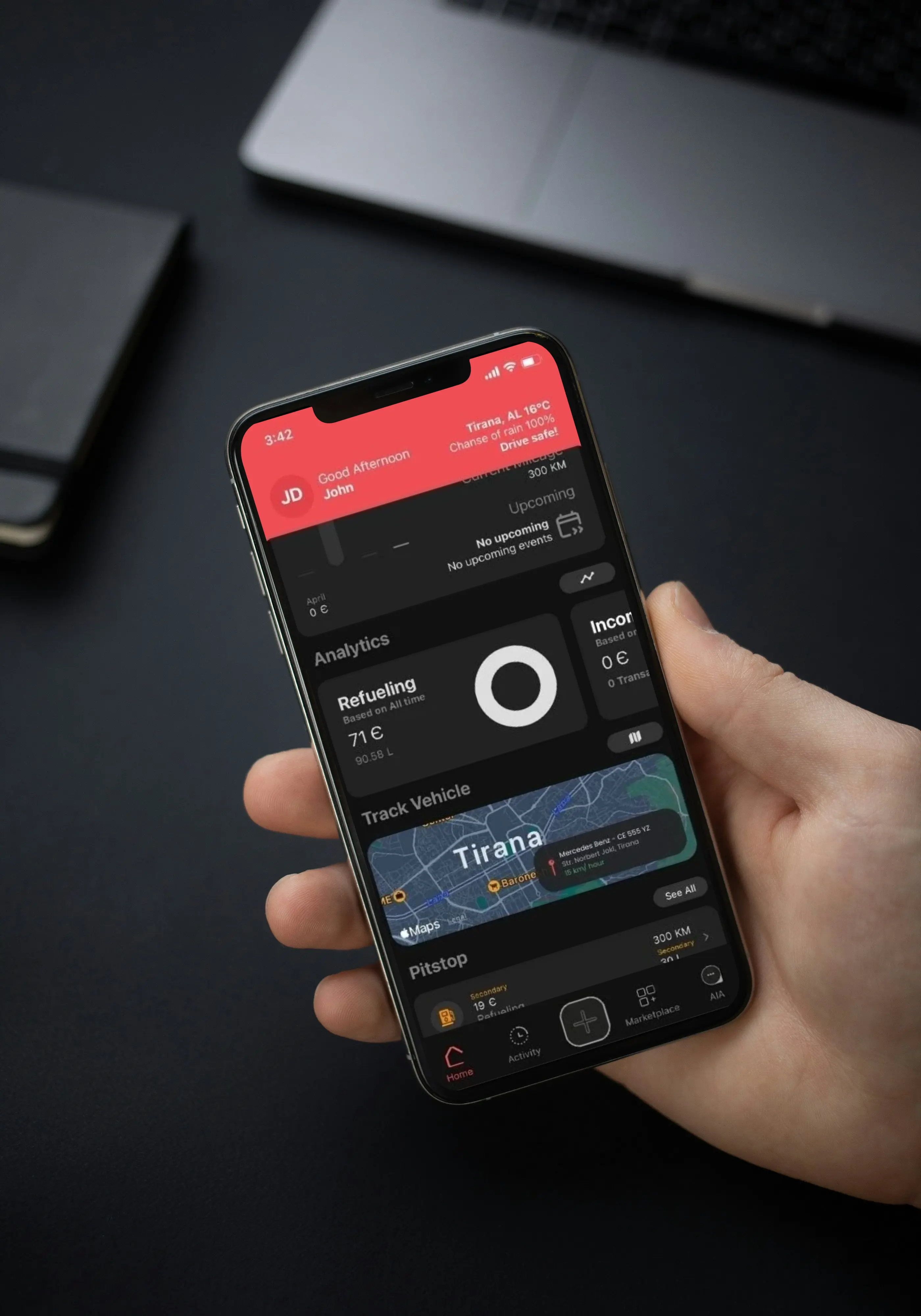
  • Real-time GPS tracking and telematics: This is table stakes, but the details matter. You want live location, trip history, idle time, fuel or EV battery levels, and ignition status, not just a dot on a map. Good fleet tracking software turns raw GPS data into decisions: which routes waste fuel, which vehicles sit idle, which drivers are taking detours.
  • Preventive maintenance, not reactive repairs: Unplanned downtime is the single biggest silent cost in fleet operations. A fleet management platform should let you schedule service by mileage, engine hours, or calendar date, track inspections and warranties, and send reminders before something breaks, not after..
  • Driver management that goes beyond a spreadsheet: Licenses, certifications, schedules, and performance should live in one record per driver, connected to the vehicles they're assigned. This is also where accountability lives: who was driving which vehicle, when, and how calculating overtime as well.
  • Alerts that reach the right person, the right way: Overspeeding, harsh braking, geofence violations, unauthorized vehicle use, none of this is useful if it's buried in a dashboard nobody checks. Real-time alerts should be able to reach dispatchers and managers via app, SMS, email, or WhatsApp.
  • Reporting you can actually act on: Vehicle utilization, fuel consumption, maintenance cost per vehicle, driver performance, exportable to PDF or Excel for finance and ops reviews. If your fleet software can't answer "which % of our fleet is costing us the most," it's not doing its job.
  • Multi-branch and multi-department structure: If you operate across cities, regions, or business units, your fleet system needs to mirror that, assigning vehicles, drivers, users, managers, working hours and holidays per branch while keeping one centralized view for leadership.
  • Integrations instead of another silo: A fleet platform that doesn't talk to your GPS hardware, maps provider, CRM, or communication tools just becomes one more system your team has to update manually. Look for native support for GPS telematics devices, Google Maps/Mapbox/OpenStreetMap, messaging channels like WhatsApp, SMS, Twilio, Email senders, Voip Systems, Payment Gateways and many more..

Where Auttom fits in

Auttom's Fleet Management System was built around exactly this checklist: live GPS tracking, automated maintenance scheduling, driver management, configurable alerts, branch-level organization, and deep reporting, used today by transportation companies, rental operators, taxi fleets, and delivery businesses. It's part of the same ecosystem as our taxi dispatch and car rental systems, so fleets that run mixed operations don't need three separate tools.

See it running on your own fleet data.


Our insights

Latest posts and updates

10 Fascinating Car Facts

Drive your curiosity! Prepare to be dazzled as we unveil 10 more intriguing car facts that will drive your curiosity. From the mind-boggling amount of code in..